SCIF Demand Continues to Rise, But Speed to Occupancy is Still a Challenge.

Meet the Author:
Jessica Smith, Technology Market Leader

In an era of evolving cybersecurity threats, heightened protective requirements, and growing demand for classified work environments, organizations are investing more heavily in secure workspaces and associated infrastructure. 

According to Polaris Market Research, the global Sensitive Compartmented Information Facility (SCIF) market is projected to grow from $4.1 billion in 2024 to $8.51 billion by 2034, driven by increasing defense spending, cybersecurity concerns, and the need to protect sensitive information.  

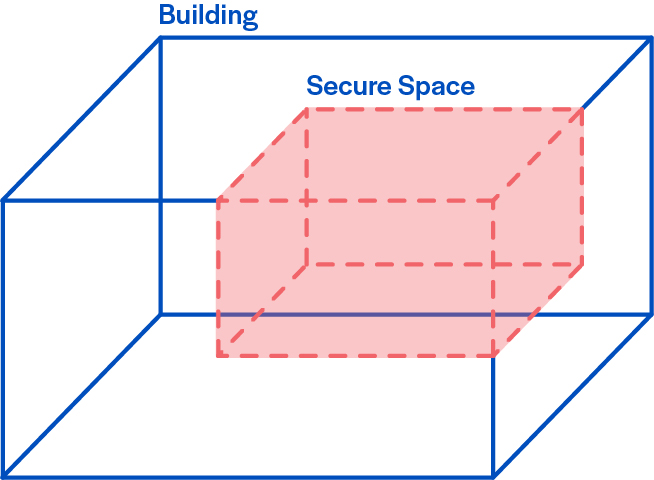
SCIFs are government-sponsored secure facilities designed to facilitate and protect classified conversations, materials, research, and data from unauthorized access or interception. While these spaces have long been associated with government and defense agencies, demand is expanding across a broader ecosystem of organizations supporting national security, intelligence, cybersecurity, advanced technology, and sensitive research initiatives. This trend aligns with what SMMA's teams are seeing firsthand, as secure environments become increasingly critical in multiple markets we serve. 

At the same time, owners and tenants are facing a new challenge: quickly getting secure spaces accredited and ready for occupancy. Evolving requirements, TEMPEST challenges (security measures that protect against the interception of electronic and electromagnetic emissions), long procurement lead times, and the complexity of retrofitting existing facilities can all affect project schedules and budgets. After nearly 40 years of experience designing secure environments, here are the key tips and insights from SMMA’s team in today's market. 
4.1 Billion

SCIF Market Value in 2024

8.51 Billion

SCIF Market Value by 2034

Takeaways:

  • Engage your sponsor from day one.
    The sooner sponsors (the government entity funding the mission the SCIF will support) are involved, the fewer assumptions teams need to make. Early alignment helps prevent costly redesign, construction changes, and accreditation delays later in the process.

  • Act early and plan for longer-than-expected timelines.
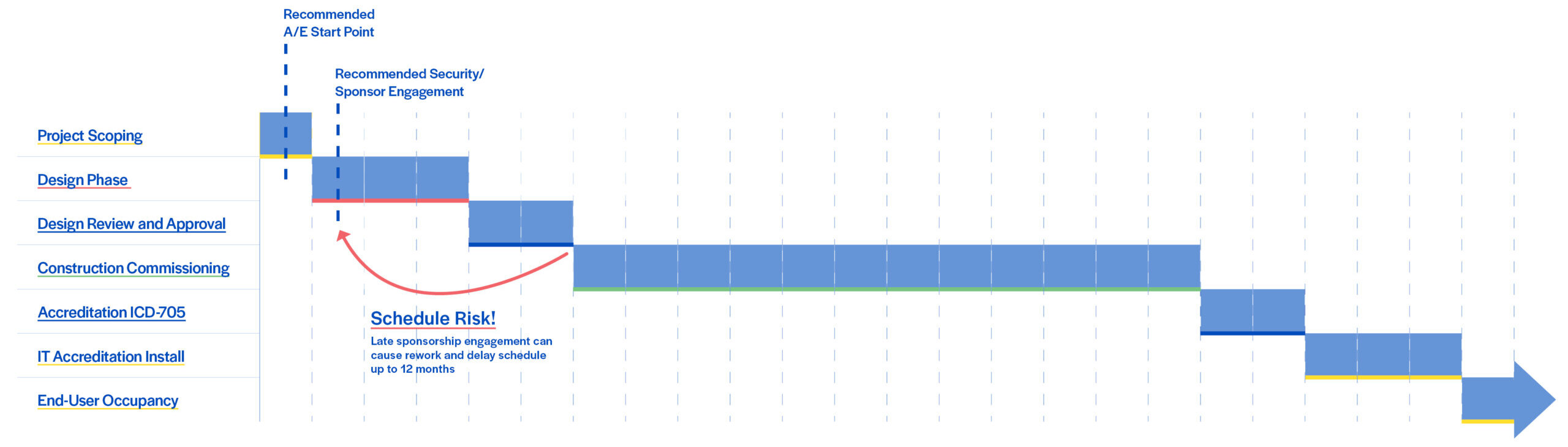
    SCIF projects rarely move as quickly as organizations anticipate. Specialized components, long wait times during construction, and multiple inspections and accreditation reviews can add months to a project schedule, making early planning and conversations essential.
  • Treat SCIFs as systems, not just spaces. 
    Successful SCIFs depend on close coordination between architecture, various engineering professionals, and technology systems. An integrated team helps navigate complex requirements, identify challenges early, and reduce obstacles that can postpone occupancy. 

Evolving ICD 705 Requirements

Intelligence Community Directive 705 (ICD 705) serves as the primary regulatory instrument for planning, designing, and accrediting SCIFs, providing guidance for everything from facility construction requirements to physical security and acoustics. The standard is republished on a three-year cycle. When needed, the new version will include updates reflecting evolving security priorities and lessons learned across the intelligence and defense communities.  

For most clients, SCIF conversations become highly technical from the outset. Understanding the up-to-date standards will guide projects from the very beginning, including decisions about whether a space can be renovated or if new construction will end up being more cost effective. Teams that rely on outdated assumptions risk major construction timeline changes and costly rework. 

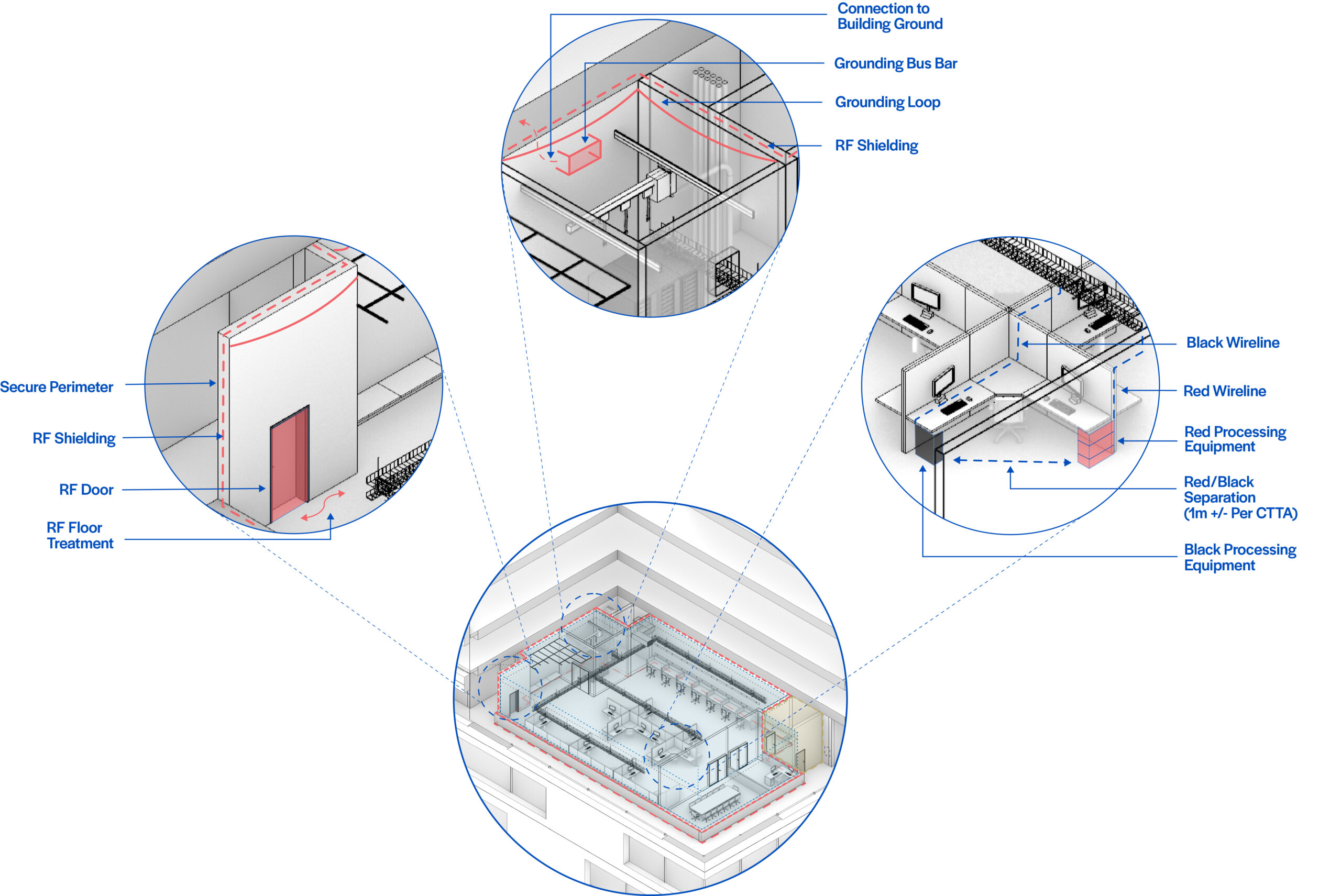
As security threats become more sophisticated, SCIF standards must adapt to address new vulnerabilities. Recent updates have placed increased focus on radio frequency (RF) attenuation, advanced TEMPEST countermeasures, and tighter acoustic requirements, creating challenges for both existing facilities and new construction. 
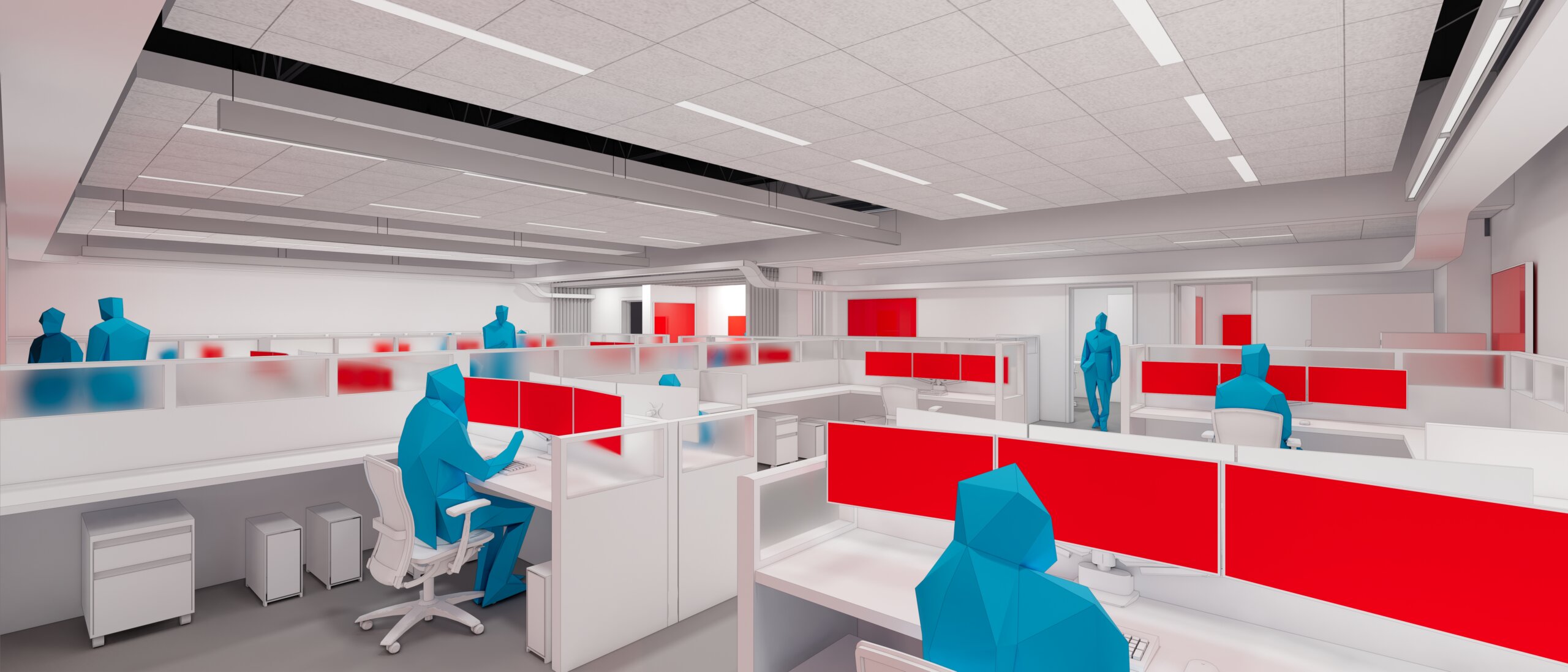
SCIFs: Designing for Security

TEMPEST Requirements: Challenges for Existing Facilities

While TEMPEST requirements have existed for years, SMMA's team has seen growing emphasis on RF shielding and electromagnetic protection in recent projects. Sponsors, acknowledging that these protections may be required down the line are becoming more risk-adverse, sometimes paying more for increased security measures that are not currently required. 

For organizations operating older SCIFs, these protections can introduce new challenges. Depending on how a facility was originally designed and built, achieving TEMPEST compliance may require significant modifications to perimeter assemblies, electrical infrastructure, and other building systems. As mentioned above, retrofitting an existing space may prove more disruptive and costly than building new.  

One of the first questions teams ask when evaluating a retrofit is whether RF shielding will be part of the scope. If the answer is yes, significant portions of the existing space, including ceilings, finishes, utilities, and building systems, may need to be removed to create a continuous shielded enclosure around the facility. For many owners, that decision becomes a critical fork in the design process.

A New Opportunity for Developers

Even though a high percentage of our work involves a sponsor, there are special cases when SCIFs are designed before the sponsor is involved. In response to rising demand, some developers are reaching out to us to plan core building systems and infrastructure to support future SCIF-ready build-outs, creating greater flexibility for defense, technology, and research-oriented tenants entering the market.

Sponsor Communication is Key

One of the most common causes of project delays is late sponsor involvement. While ICD 705 establishes baseline recommendations for a SCIF, sponsors often provide additional direction based on the mission being supported. Similar to the ADA, ICD 705 is not Code – it is a guideline and is subject to interpretation

When a sponsor is not identified, or is brought into the process too late, design teams are forced to make assumptions that may not align with the sponsor's expectations. In some extreme cases, we have seen projects put on hold for up to a year after a sponsor identified far into the process that RF shielding was necessary, when originally it was not specified. Projects are most successful when teams are on the same page in the beginning stages, reducing the risk of costly rework and streamlining the path to accreditation.

What’s surprising clients the most, even experienced ones

If you are headed into a new secure environment project, you know well that the systems and components of the design are highly technical and specialized, and often limited to American made products, narrowing down the number of suppliers and approved products. For example, some secure door assemblies can require more than 26 weeks just for fabrication and delivery, tripling the timelines we saw pre-COVID. This product alone can cost anywhere from the mid to high five-figure range once installed. While many organizations plan for the cost of these specialized systems, the schedule implications can be harder to anticipate.

Long-lead equipment is only one part of the equation as the accreditation process can also extend project timelines. These factors are all the more reason to begin project conversations early.

Why Choosing an Integrated Team Makes a Difference

For nearly 40 years, SMMA has led clients through various secure environment projects, building experience across government, technology, life science, and research-related projects.  

As a firm headquartered in Cambridge, MA, a historic city with an ever-demanding need for renovations, we are no stranger to working with aging infrastructure, further adding complexity to already intense scopes. That experience becomes especially valuable in secure environments, where existing conditions can complicate already demanding projects. 

SMMA’s integrated, multidisciplinary structure provides a distinct advantage for coordination and efficient execution. SCIFs are not simply rooms, they are systems made up of interconnected architectural, structural, mechanical, and electrical components. Our integrated team allows these disciplines to work together from the earliest stages of planning, helping identify challenges sooner, coordinate solutions more efficiently, and keep projects moving from design through accreditation.

Questions about your upcoming project? Reach out to Jessica Smith, Principal and Technology Market Leader.

 
Jessica Smith, Technology Market Leader

Share:

Next Perspective

Mid-Size Chip Manufacturing Facilities in the AI Era

Read More
smma-slogan