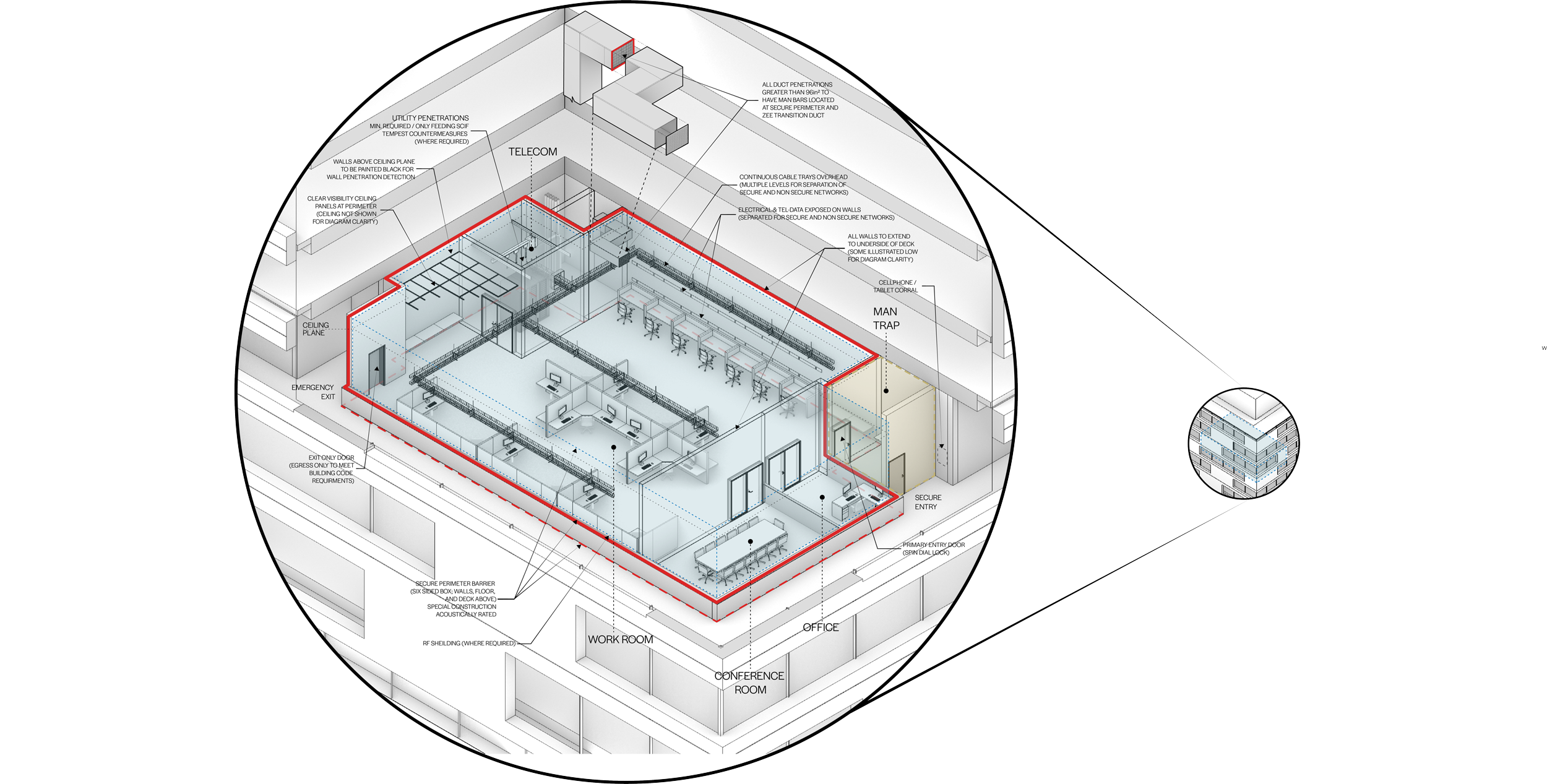
Designing for SCIFs demands precision, discretion, and zero margin for error.
At SMMA, we pair technical rigor with a clear understanding of complex security requirements to deliver with confidence.
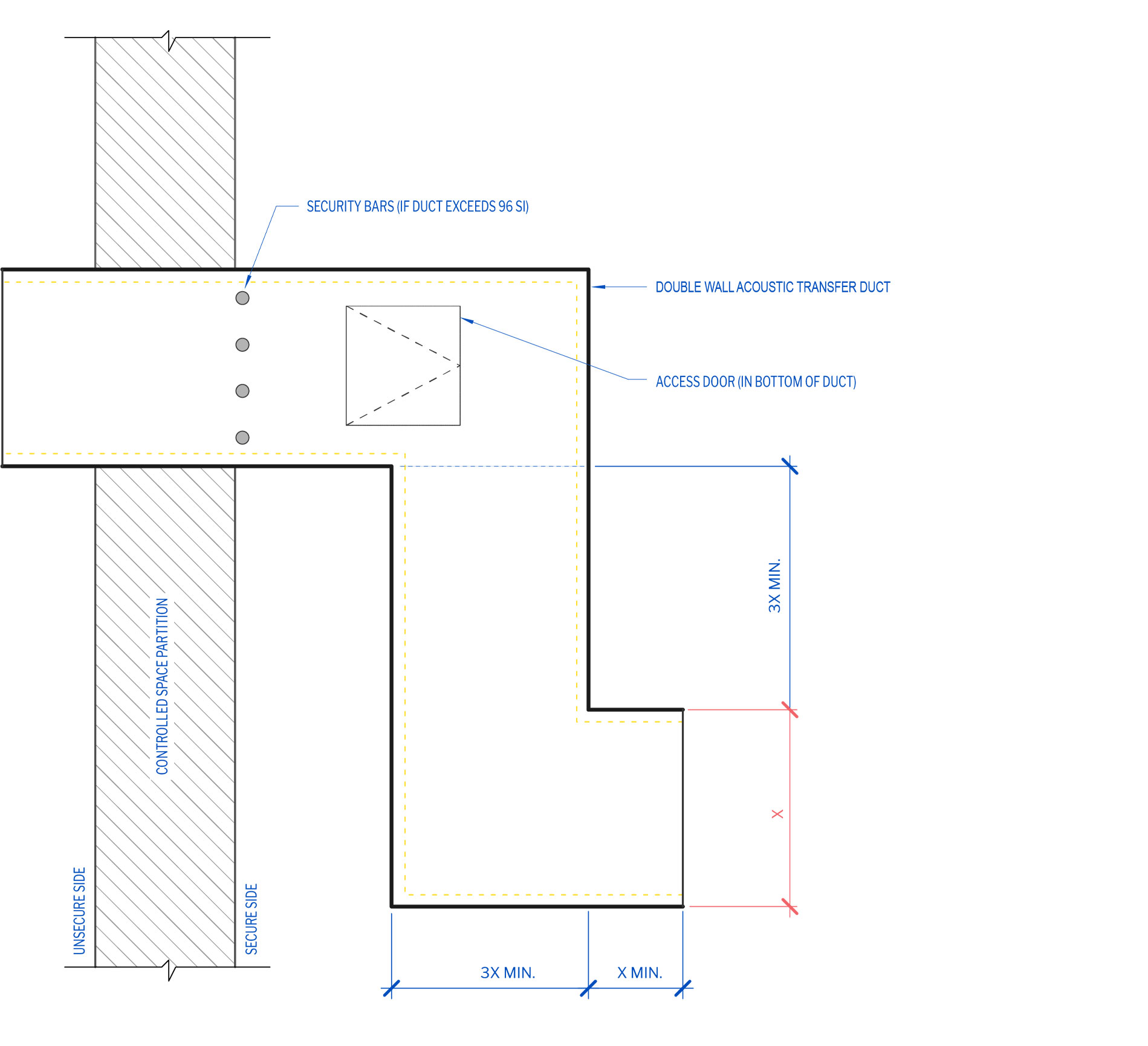
Z-Duct penetration for acoustic separation
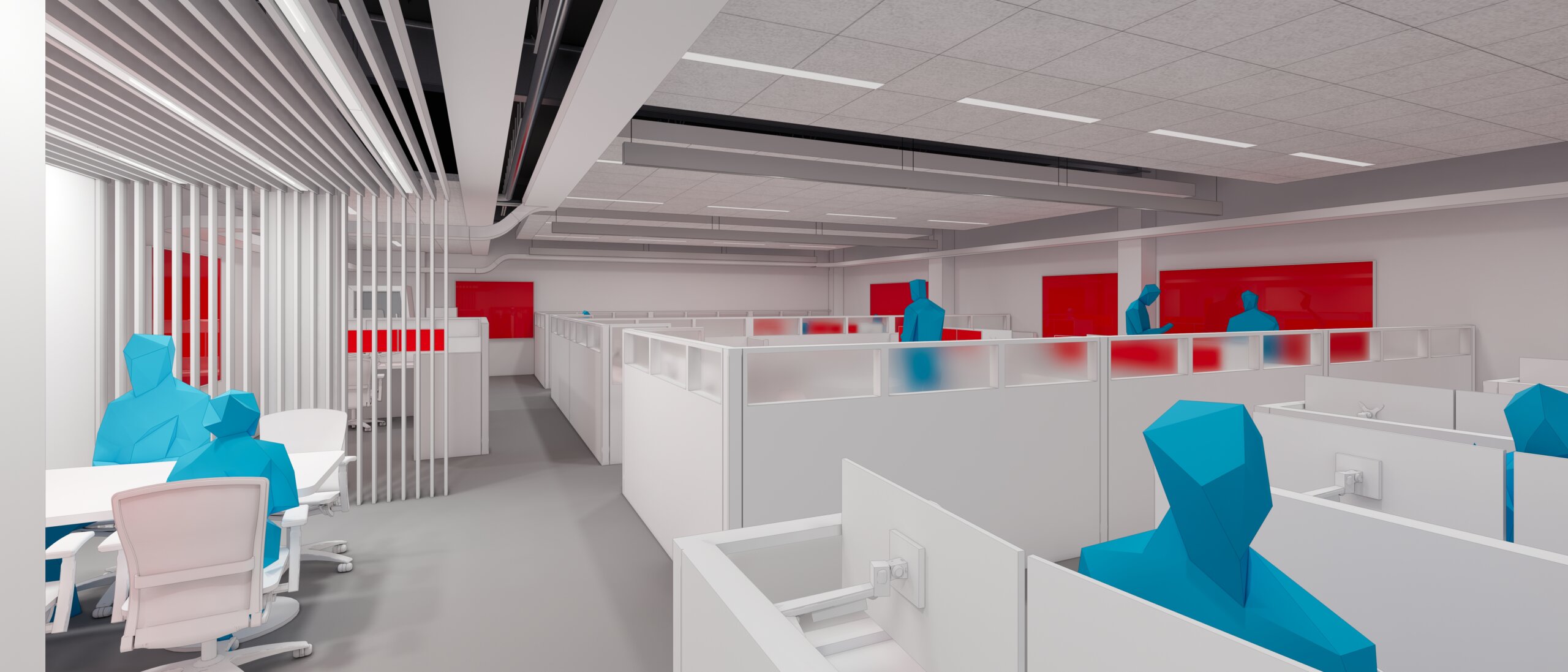
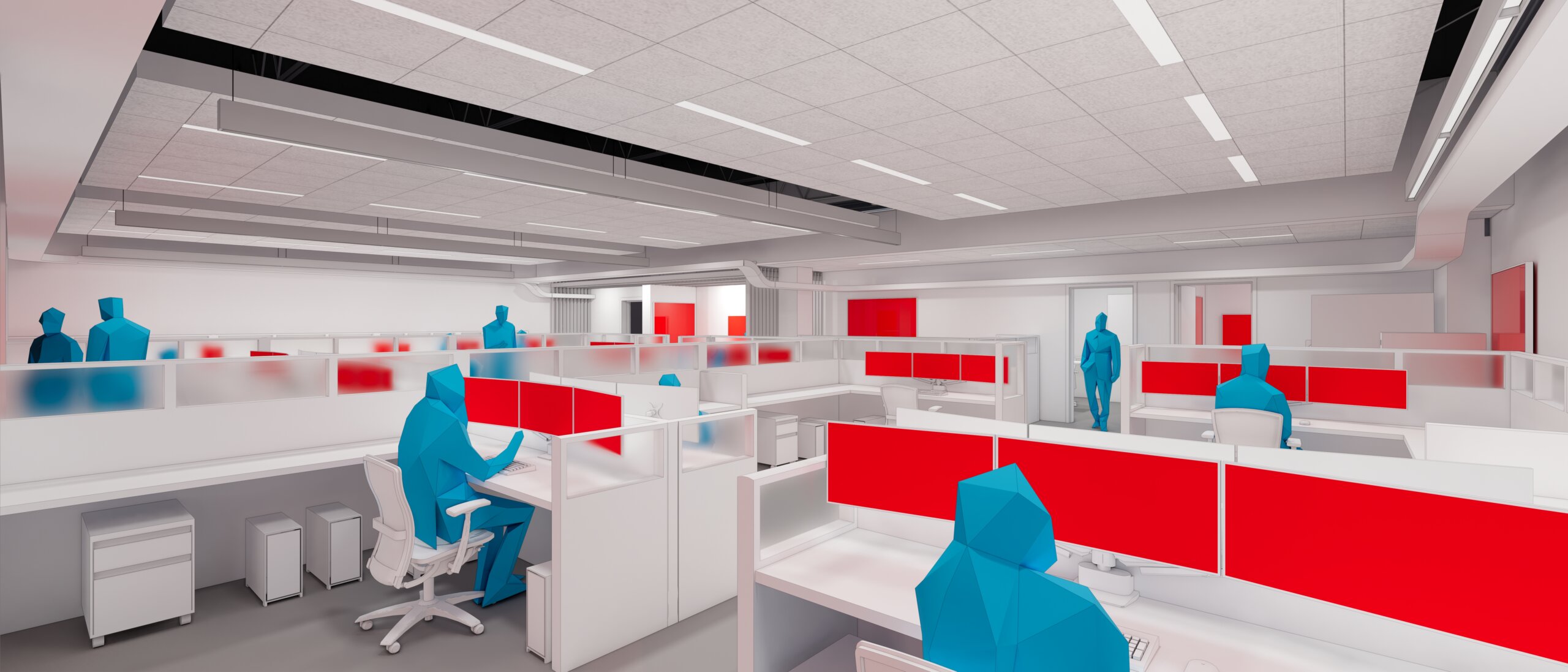
View at security desk of secure space. Red screens and glassboard are used to show security risk points.
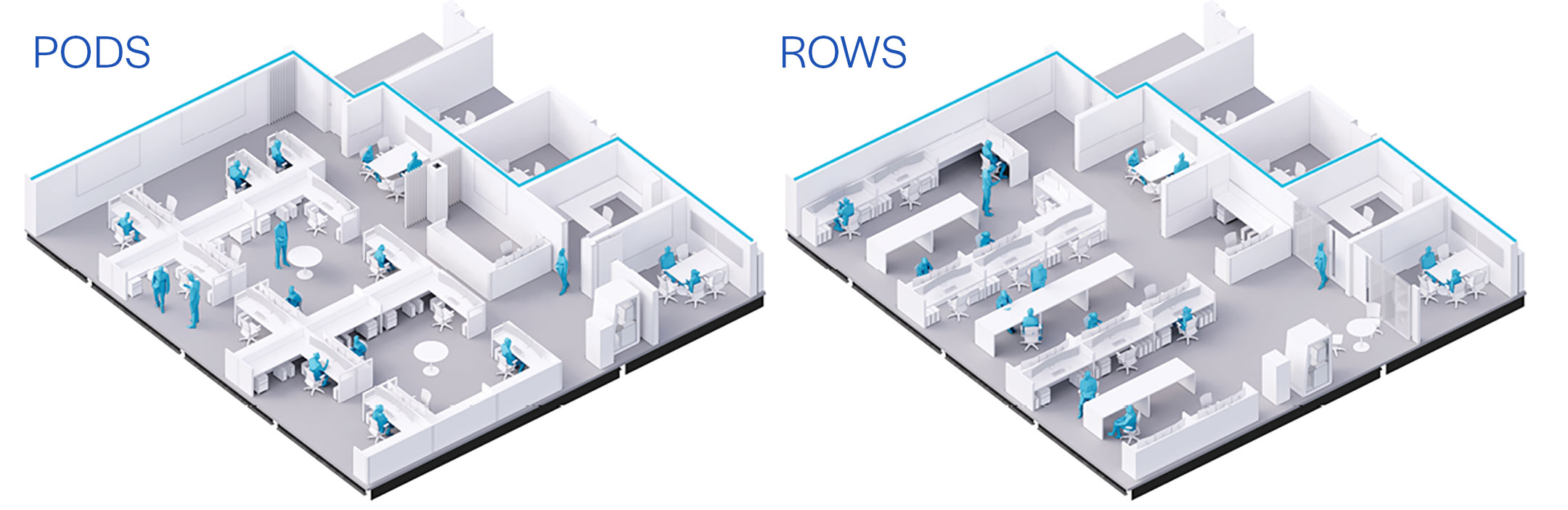
Last, we aim to support the need for flexible design. As I mentioned, these spaces must be accredited upon completion, a process that can sometimes take up to a year. If, after gaining accreditation, the design needs to change a few years later to accommodate a new mission, a renovation would require re-accreditation. To minimize what could be a costly and time-consuming process, we focus on planning ahead, ensuring our designs are adaptable and capable of supporting our clients' needs for as long as possible. As programs grow, they may need additional space but would like to utilize what’s already been built. Using a modular approach can lay the groundwork for future expansion.