
Fogarty’s interior will be transformed from a cellular program into an open and connected building.
This will create visibility into the core activities of the program, provide informal places for students to connect, and improve the building’s wayfinding and sense of place.
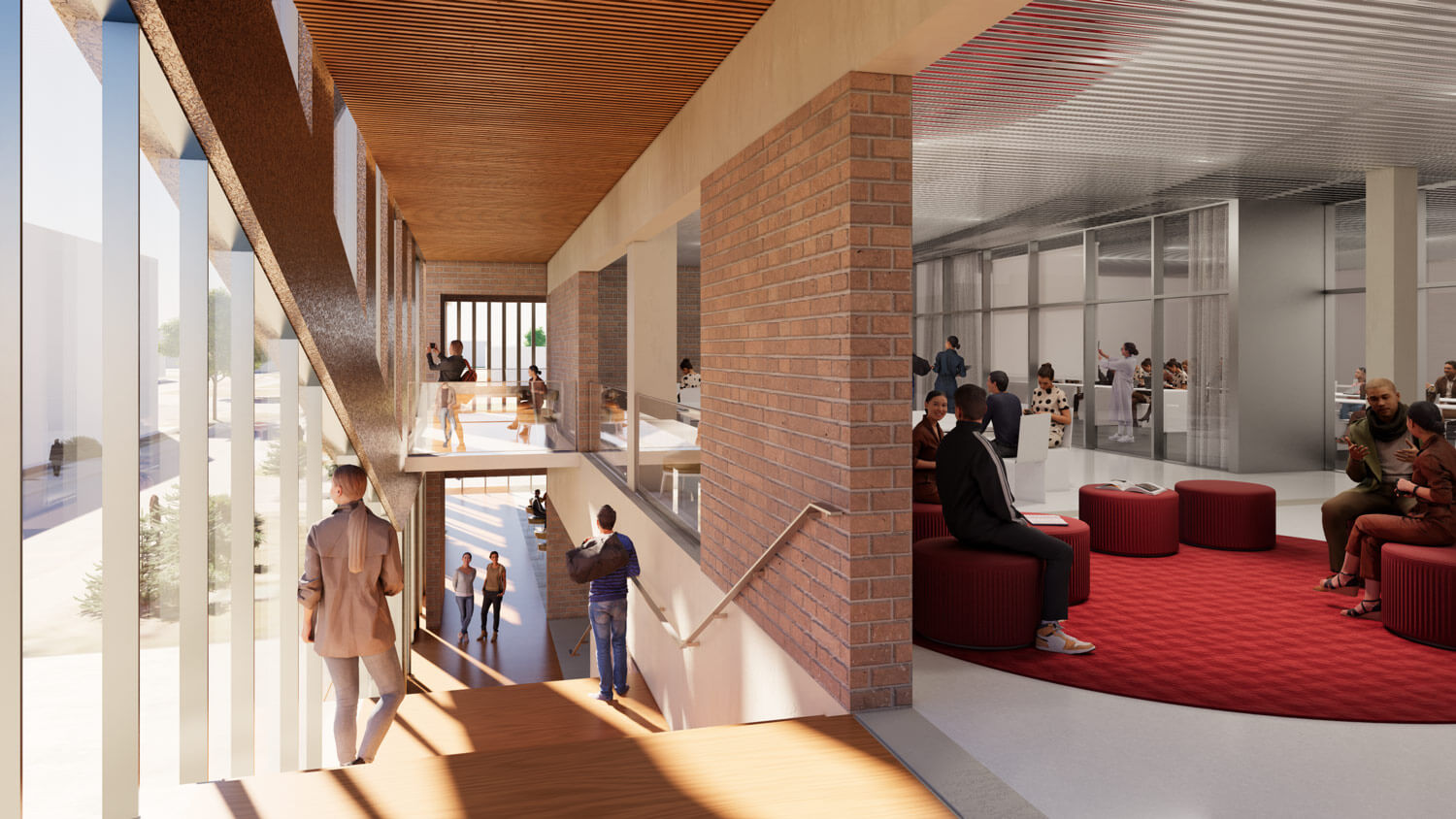
By reorganizing the program, the new design embraces natural daylight, putting modern learning on display. New teaching spaces improve interdisciplinary collaboration and team-based learning. By expanding the teaching lab footprint, the College will be able to align with peer space standards and increase utilization and flexibility within labs.
The "Sandbox"—a New Teaching Lab
|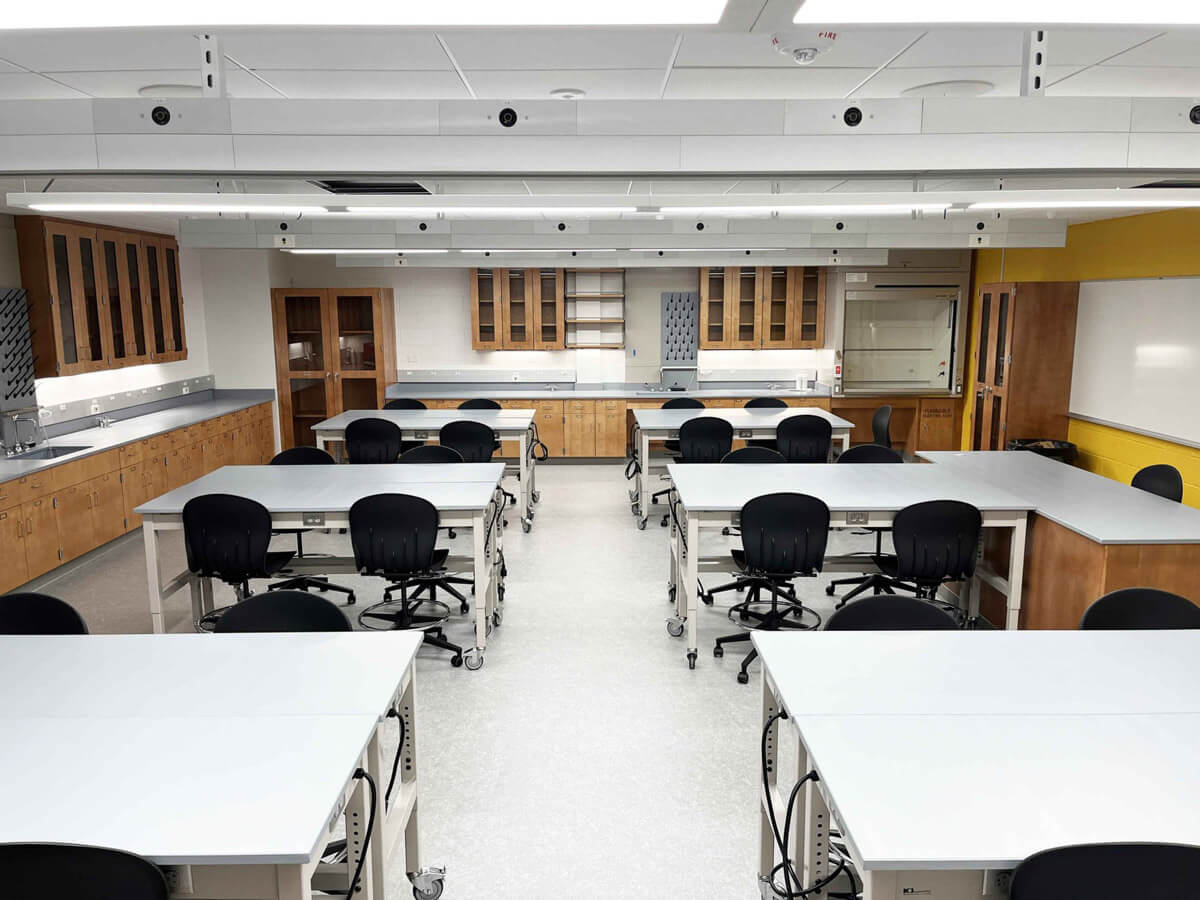
Shortly before the launch of the study in early 2023, RIC hired SMMA to renovate an existing Teaching Lab in Fogarty to support its newly established Biotechnology program.
This project acted as a “sandbox” for testing new ideas and teaching methods to align the college with modern trends. It allows faculty to reconfigure the Lab into three teaching “modes”: Lecture Mode, Demonstration Mode, and Laboratory Mode. The result is more flexibility, adaptability, and collaboration among students and faculty.
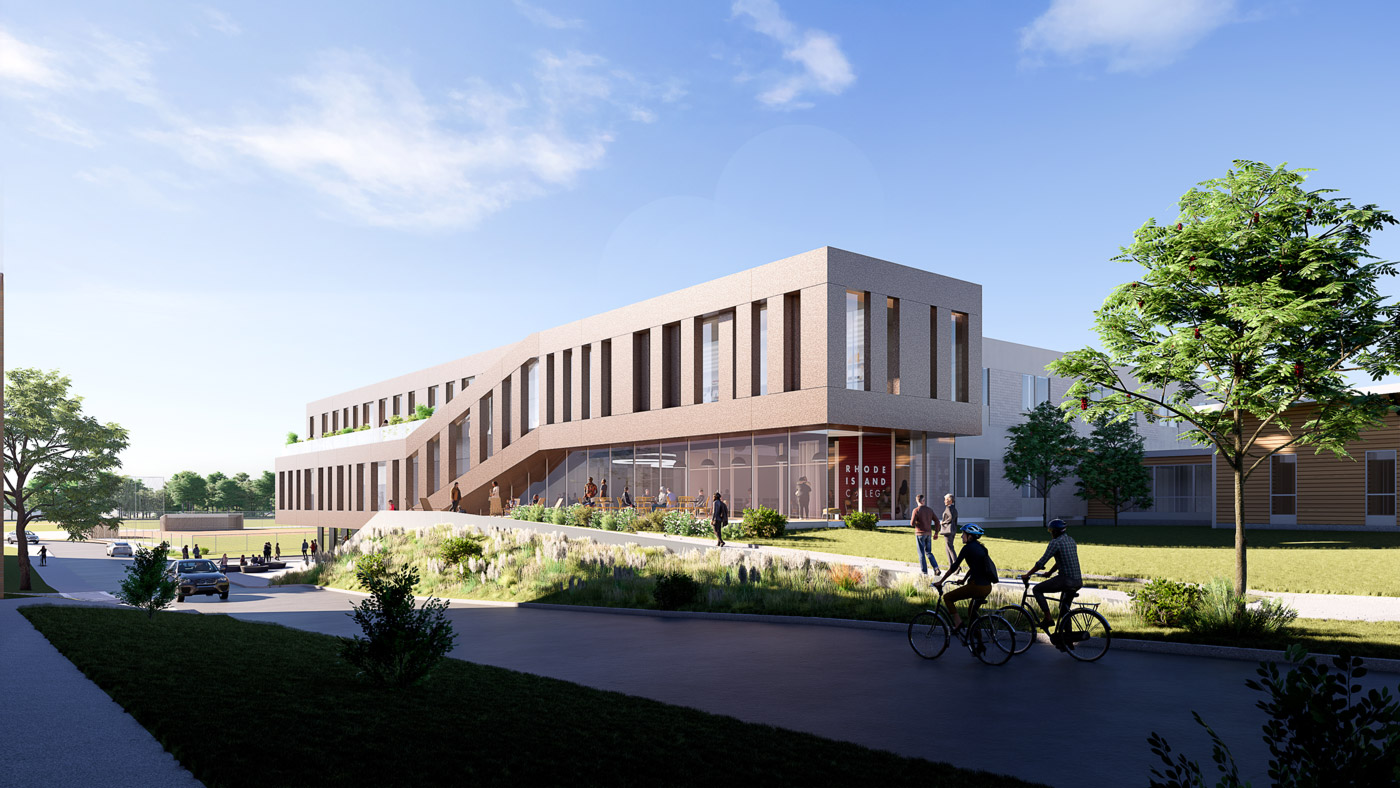
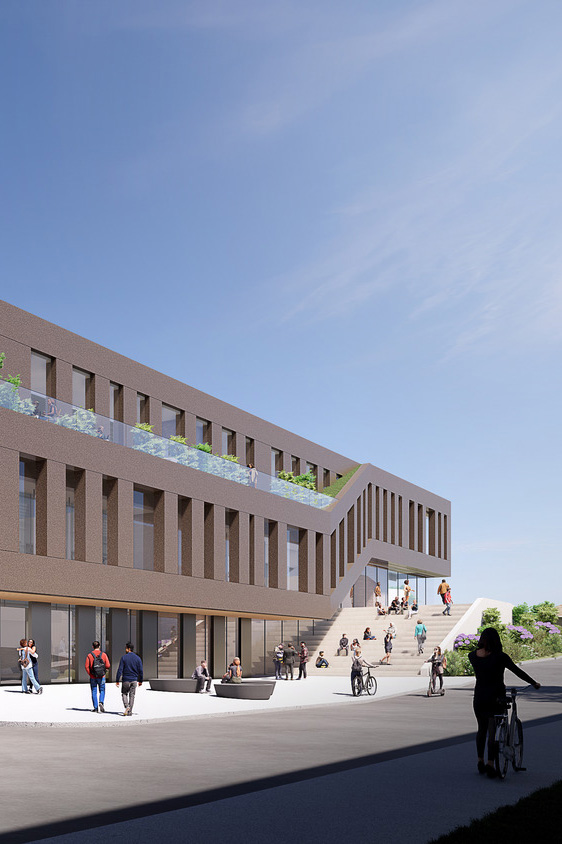
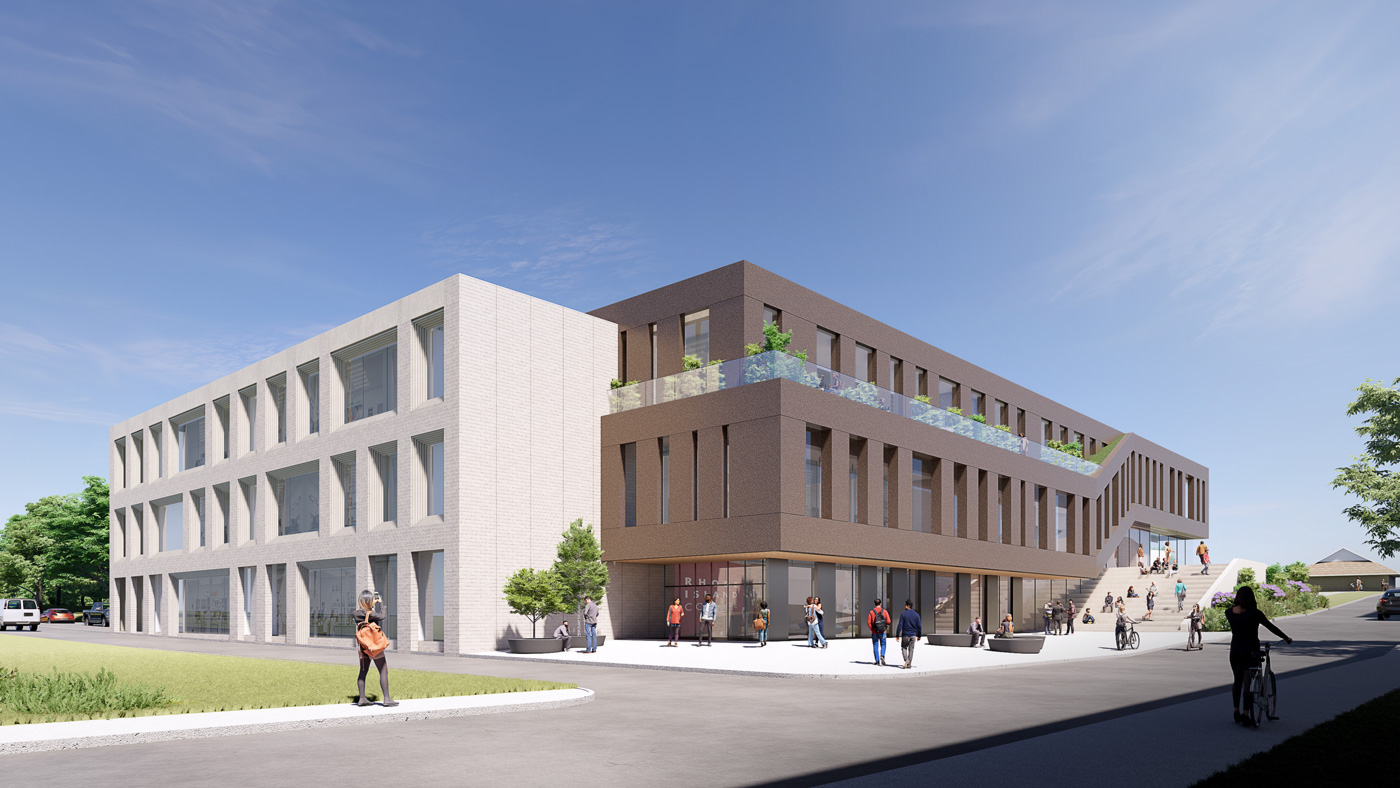
The proposed addition creates a new “front door” for Fogarty.
Located at the end point of several campus pathways, the addition will create a sense of arrival to the building that the previous design lacked.
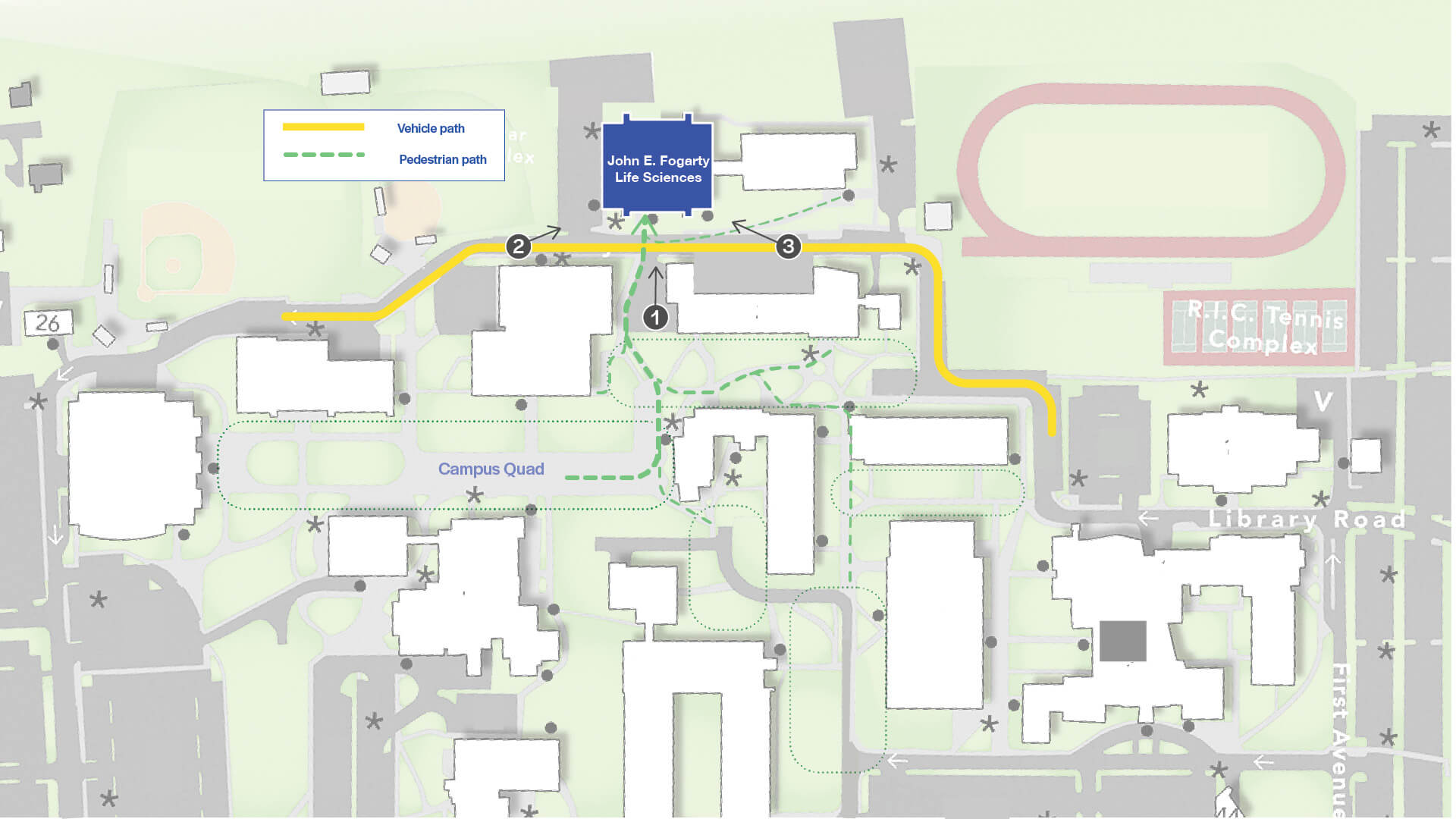
The addition will engage the campus on a pedestrian level, connecting Fogarty to its surroundings while greatly improving the building’s thermal performance in line with RIC’s wider sustainability goals.